AUD and PTSD are common and severe problems in veterans and military service members and merit intervention. Fortunately, a number of psychological treatments and medications have been demonstrated as effective for each problem and should be incorporated into clinical practice whether the conditions occur independently or together. When AUD and PTSD occur in the same patient, they should generally be addressed simultaneously, either in closely coordinated or integrated care. Contrary to earlier clinical concerns that substance abuse should be reduced or resolved before treatment for PTSD, it seems that for most patients the treatments can be performed simultaneously with good results. In fact, clinical experience and emerging research suggests that it is best to combine modalities and targets within a comprehensive treatment plan.
Kidney Cancer VA Disability for Camp LeJeune Veterans
The good news is that treatment works if you have Substance abuse PTSD and SUD happening at the same time (co-occurring). Our programs follow evidence-based practices and focus on helping clients achieve long-term recovery. We provide our clients with the tools they need to overcome their addiction and lead healthier and happier lives. According to the National Institute on Alcohol Abuse and Alcoholism, approximately one-third of all veterans are heavy drinkers, and nearly half report binge drinking at least once in the last month. Additionally, up to 18 percent of veterans have self-reported using illicit drugs in the past year. A rating of 0% means the condition is present but does not significantly affect the veteran’s ability to function.
Combat Veterans With PTSD Are More Likely To Drink To Cope.
- In Co-Occurring Post-Traumatic Stress Disorder and Alcohol Use Disorder in U.S.
- Additional research also is needed to determine optimal methods for assisting veterans or service members with co-occurring conditions and retaining them in treatment.
- Initial and ongoing assessment is critical to understanding the needs and progress of Veterans with PTSD and SUD.
- They review both human and preclinical models of these disorders and examine potential biologic, genetic, and epigenetic mechanisms.
- The complex interplay between Post-Traumatic Stress Disorder (PTSD) and Alcohol Use Disorder (AUD) among veterans represents a significant challenge in the realm of mental health and substance abuse.
Further, veterans exposed to traumatic war zone experiences and who also met criteria for alcohol use disorder were more likely to display pervasive, declining effects on social functioning and had lower rates of employment (Fontana & Rosenheck, 2010). The detrimental effects appeared to be reciprocal, such that poor quality of life led to a more chronic course of PTSD and alcohol use disorder. Before understanding PTSD and alcohol abuse in veterans, it’s important to know what is PTSD.
What is substance abuse disorder?

Together, the six papers included in ptsd and alcohol abuse this virtual issue raise important considerations for future research and may help to inform best practices in the treatment of comorbid AUD and PTSD. There also drug and alcohol rehab centers around the country that offer advanced cognitive behavioral therapies to treat substance abuse disorders. Call your nearest treatment center to find out what kinds of therapies they offer, and what options are available for you.
- Trauma is difficult, and many veterans may turn to alcohol as a means to self-medicate and disconnect/forget their past trauma– even if it is only for a short while.
- Being honest and providing thorough documentation during your evaluation can help ensure that your alcohol use is understood in the context of your PTSD.
- Our mission is to help everyone find the best path to recovery through the most comprehensive, helpful network of treatment providers worldwide.
Research Regarding the Treatment of Co-Occurring PTSD and SUD
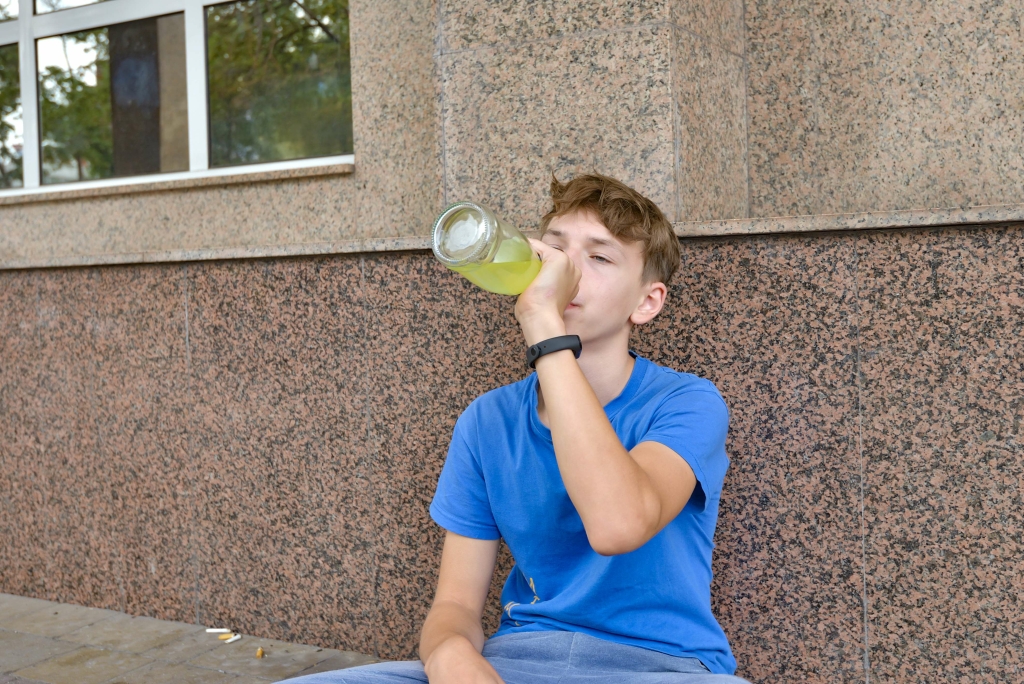
Veterans with co-occurring disorders, such as PTSD or depression receive treatment for both the disorder and their addiction. If a veteran’s alcoholism is determined to be caused by a service-connected disability like a mental health condition or chronic pain, they may be eligible for benefits for any conditions resulting from the alcohol misuse as well. The VA offers a range of treatment options and support services for veterans dealing with PTSD and Alcohol Use Disorder. VA-sponsored treatment programs for dual diagnosis are designed to address both conditions simultaneously, recognizing the interconnected nature of these disorders. These programs often involve a combination of individual therapy, group sessions, and medication management. To fully grasp the complexity of this dual diagnosis, it’s essential to understand the individual components.
- For additional review of the two papers addressing behavioral and pharmacological treatments for comorbid SUD and PTSD, refer to Norman and Hamblen (2017).
- Call your nearest treatment center to find out what kinds of therapies they offer, and what options are available for you.
- Vocational training and community employment training are also offered to each vet.
Lastly, it should be noted that if there is a “past history” of abuse, the fact that the abuse is in the past needs to be clarified in the record as well. In the Social Security context, a problem with drugs and/or alcohol is almost always fatal to a successful outcome in the case. The law says that the Social Security Administration (SSA) will look to see if alcohol or drug use is a contributing factor that is material to the disabling impairment(s). In other words, would SSA still find the person disabled if he/she stopped using drugs or alcohol. If the person would still be disabled if he/she stopped using drugs or alcohol, technically, he/she should be awarded benefits. Co-occurring disorders involving substance and alcohol use are among the most misunderstood and stigmatized disorders veterans suffer from.
Can I receive VA disability compensation for Alcohol Use Disorder alone?
This study provided a novel opportunity to reexamine this issue in a large sample of trauma-exposed veterans and their intimate partners. TMH overcomes geographic, financial, and stigma-related barriers while yielding high patient satisfaction and perceived safety to veterans who would likely not otherwise receive it. Additionally, telehealth could have a transformative impact on the VA health care system and significantly improve quality of life for veterans. Another reason veterans are more likely to struggle with substance abuse is the stress of reintegrating into civilian life. After spending years in the military, returning to everyday life can feel overwhelming.
Leave a Reply